
CGT reform, why disclosing the reserve price might be a smart move and the decline in bulding productivity
9 February 2026
Good morning. Today we're covering CGT reform, why disclosing the reserve price might be a smart move, the decline in bulding & construction productivity and much more.
Don't keep us a secret, share today's edition with friends and colleagues.
And, as always, send us your feedback at hello@dailyreal.com.au.
CGT Reform: Won't crash prices, but could boost home ownership
Reform of the capital gains tax discount is back on the agenda, fueled by new Parliamentary Budget Office figures showing the concession will cost $247 billion in lost revenue over the next decade. This is considerably more than the $205 billion it has cost over its entire 25 year history.
The analysis also revealed that CGT discount claims on real estate are twice those on shares, suggesting the tax break is fueling property speculation rather than productive investment.
Who benefits most?
The discount heavily favors wealthy Australians. The top 20% of earners receive nearly 90% of the benefit, while the top 1% (earning over $362,900 annually) capture almost 60%. Benefits also skew heavily toward older Australians.
Last month, NSW Treasury warned that current CGT rules have pushed up property prices and damaged affordability, benefiting wealthy investors at the expense of first-home buyers. The CGT discount and negative gearing "skew incentives towards property investment" and undermine first-home buyer assistance programs, the Treasury said.
Political landscape shifting
Labor previously attempted reform under Bill Shorten, promising to scale back the CGT discount and negative gearing before the 2016 and 2019 elections. The party lost both times. However, political conditions have changed significantly since then.
The impact of reform
Most economists agree that CGT reform wouldn’t significantly impact house prices, with estimates suggesting a modest 1–4% reduction. The more meaningful change would be in who is buying. Scaling back tax concessions would likely curb investor demand, particularly at the lower end of the market, easing competition and giving aspiring homeowners a better chance to secure a home. At the same time, reducing the CGT discount would lift government revenue, allowing funds that are currently forgone to be redirected into priority areas such as infrastructure, hospitals and social housing, where additional investment is badly needed.
Advertising the reserve price: the rarely used strategy that just might work
When Mariette Balkejian's 84-year-old mother moved into aged care, they took an unusual approach to selling her home—publicly advertising the $1 million reserve price from the outset.
The gamble paid off. The property sold at auction for almost $1.5 million, nearly $500,000 above reserve, with 30 registered bidders competing on the day.
Australia's patchwork auction rules
Currently, no Australian state or territory requires sellers to disclose the reserve price and auction rules vary widely across jurisdictions. In Queensland, providing any price guide for auction properties is illegal. Other states permit price guides with restrictions. In South Australia, for example, the reserve cannot exceed the advertised price guide by more than 10%.
In a national first, Victoria has announced new legislation, expected to take effect later this year, that will require sellers to disclose their reserve price at least seven days before auction. While the move has attracted significant criticism, Mariette Balkejian's experience suggests early disclosure could benefit both buyers and sellers alike.
Construction productivity hits seven-year low
Building and construction productivity has declined for the seventh consecutive year, now sitting 21.5% lower than a decade ago, according to new ABS data.
Master Builders Australia CEO Denita Wawn says the industry is consuming more labor and materials than ever while producing fewer homes. She attributes the decline to excessive regulation, red tape and problematic CFMEU enterprise agreement clauses.
Calls for national extreme heat policy to be implemented on worksites
Following an ABC report earlier this month on the need for an industry standard heat policy to be adopted across worksites, the Australian Council of Trade Unions has announced plans to push for a new national safety standard allowing workers to stop work during extreme heat. The proposed threshold for the construction industry is 35C or 29C with 75 per cent humidity.
Brisbane
Sales results for the Week
Brisbane recorded 314 sales for the week ending 31 January, including 105 properties that sold for more than $1 million, according to PropTrack's latest auction and sales results. The top sale was 52 Melbourne Avenue, Camp Hill, which sold for $3.6 million.
Listing of the Day
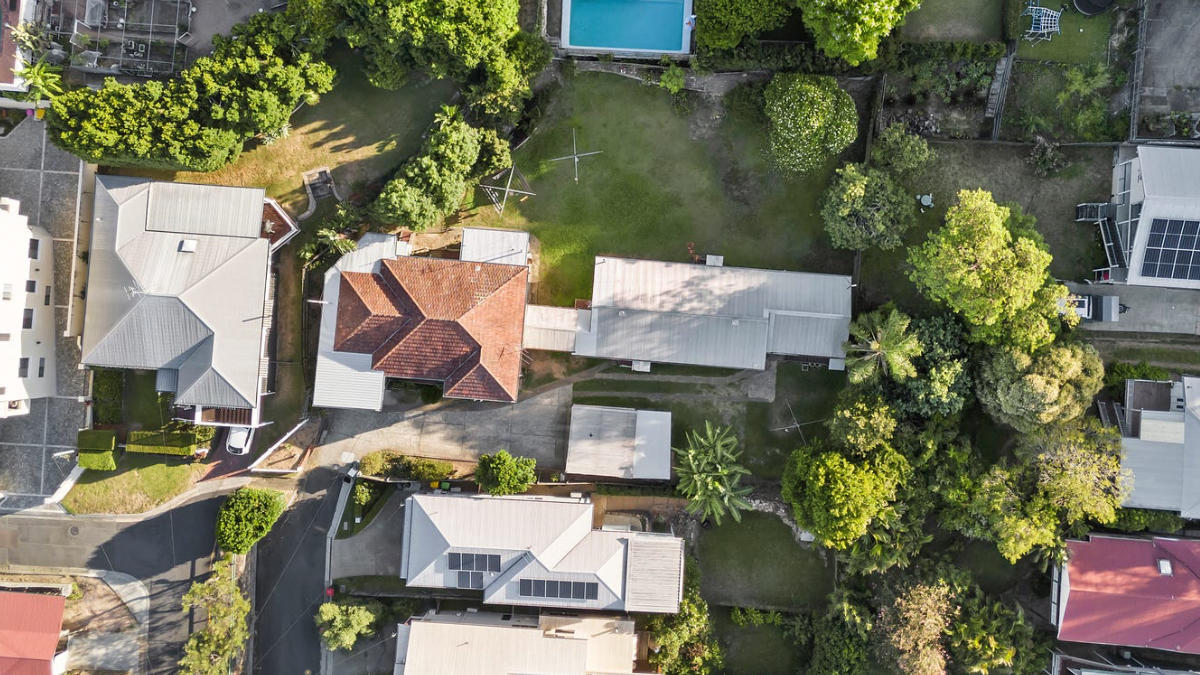
17 Rougham Street, Windsor
Price: Auction
Why we like it: A block of 7 units on a generous land holding of 1,368m² in a blue-chip, inner-city location. Current rental income around $129,000 p/a. Ripe for redevelopment STCA.
Gold Coast
Sales results for the Week
The Gold Coast and Northern NSW recorded 204 sales for the week ending 7 February, including 87 properties that sold for more than $1 million, according to PropTrack's latest auction and sales results. The top sale was 12 Sapphire Street, Hollywell, which sold for $4.255 million.
Listing of the Day
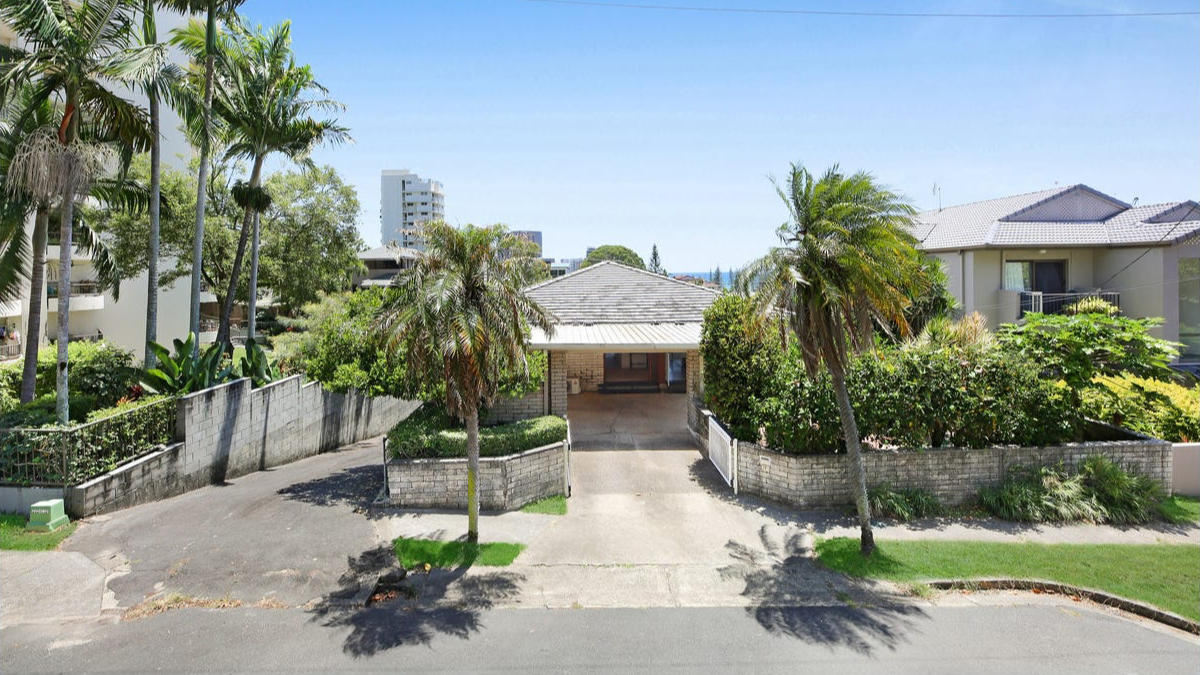
23 Hill Avenue, Burleigh Heads
Price: Auction
Why we like it: Located on Central Burleigh Hill, on a 806m² alotment with ocean views. Excellent redevelopment potential STCA. Last sold in 2018 for $1.51 million.
Sydney
Sales results for the Week
Sydney recorded 988 sales for the week ending 7 February, including 331 properties that sold for more than $1 million, according to PropTrack's latest auction and sales results. The top sale was 22&23/107 Darling Point Road, Darling Point, which sold for $11.6 million.
Listing of the Day
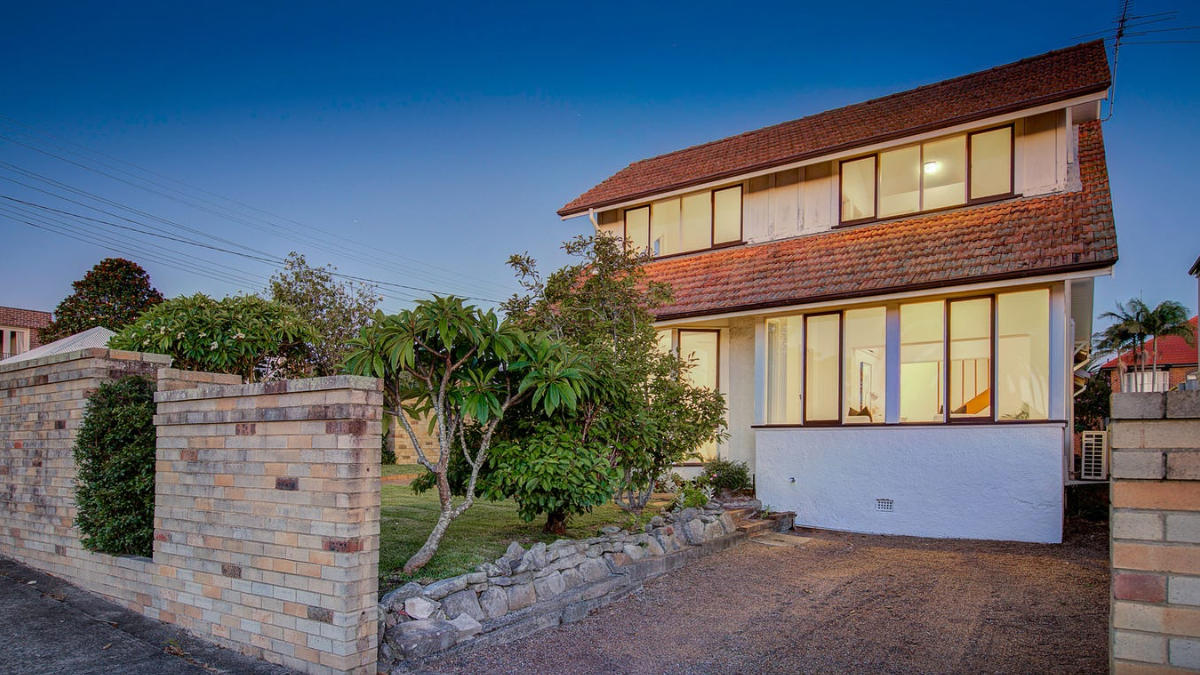
31 Ryrie Street, Mosman
Price: Auction (marketed in the $3.5m - $4m range)
Why we like it: Perched on the top of Ryrie St on a 624m² corner alotment with city and water glimpses. Excellent renovation or redevelopment potnetial STCA.
Melbourne
Kokoda Property Group acquires St Kilda Road super site
Kokoda Property Group will acquire a 6,085sqm dual-frontage super site at 441 St Kilda Road from long-term owner Dymocks Properties for more than $100 million.
Kokoda plans to deliver an 18-storey luxury residential tower that integrates a ground-floor hospitality and retail offering.
Once Melbourne's premier office address, St Kilda Road is undergoing a dramatic transformation. The iconic boulevard has shed over 135,000 square metres of office space in a decade, in favour of luxury residential development. More than $1.5 billion in residential projects are currently under construction along the road.
Sales results for the Week
Melbourne recorded 757 sales for the week ending 7 February, including 91 properties that sold for more than $1 million, according to PropTrack's latest auction and sales results. The top sale was 60-62 Edward Street, Sandringham, which sold for $7.7 million.
Listing of the Day
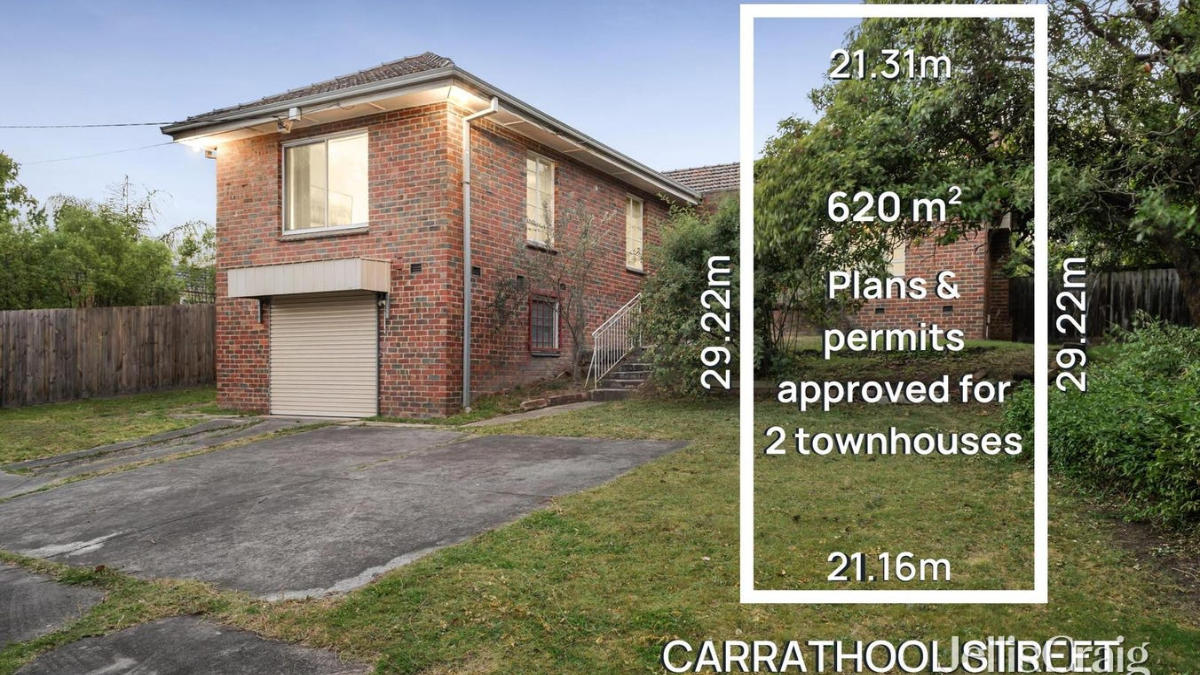
25 Carrathool Street, Bulleen
Price Guide: $1.1m - $1.2m / Auction
Why we like it: Packaged with approved plans and permits for two side by side, 2-storey dwellings with basement garages. Last sold in 2020 for $1,025,000.
We'd love your feedback!
Did you like today's stories? Were any a miss for you? Which ones?
We're constantly changing things up to make this newsletter more useful, so let us know what you think by replying directly to this email. We read every reply!


Share this newsletter

Subscribe to the Daily Real
Disclaimer
While care and diligence have been used to compile the information in this newsletter, it may not be accurate, current or complete in all respects. We do not make any representations or warranties as to the accuracy, currency or completeness of the information.
Not financial advice
The information provided in this newsletter does not constitute financial, legal or other professional advice. It is provided as general information only and is not a substitute for advice from a qualified professional who is familiar with the facts of your particular circumstances.